
Blog
How to write a meeting point people can actually find
A map gets readers to the building. A tested sentence gets them to the same side of the same door.
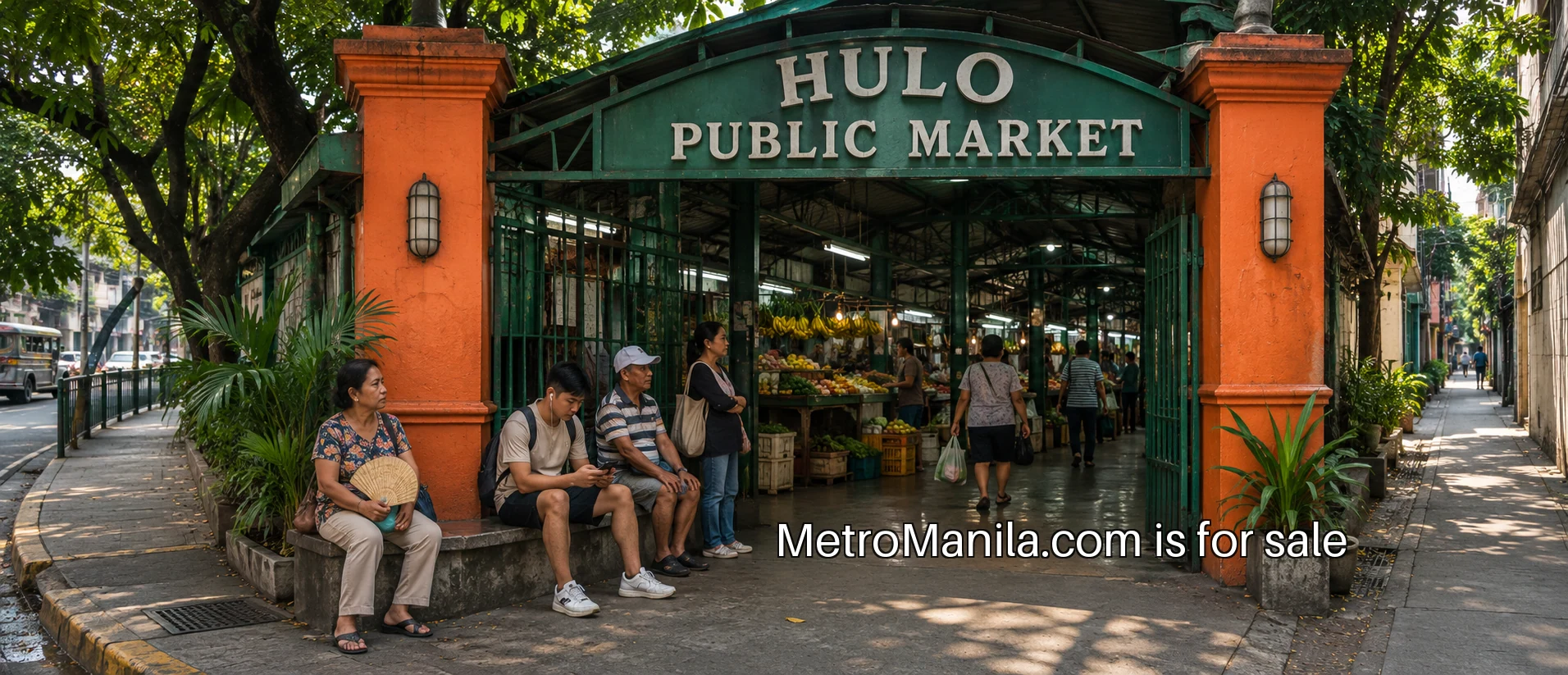
“Meet at the museum” works beautifully until two friends approach from opposite sides and spend the first ten minutes sending each other photographs of a wall. Both have reached the destination. The writer gave them the same building and two different places to wait. Before publishing an outing, write a sentence that brings both visitors to the same spot even when neither one can send a message.
A useful meeting instruction has a public approach, a recognizable entrance and a stopping place. It may also need a fallback. The smallest test is to hand it to two people separately and see if they stand close enough to speak to each other without calling. The route can be short and still fail that test. A long building with two doors on the same street can produce more uncertainty than a turn across several blocks.
Name the place as it appears at the door
Start where the visitor will have to make a choice. At a museum complex, that might be on the street where two buildings first come into view. At a hall above a shopping arcade, it might be where the public lobby and a delivery corridor open off the same pavement. Look for wording that actually appears on a fixed sign. Copy its spelling and check it from the direction in which the reader is likely to arrive. Lettering that faces a driveway may be invisible from the sidewalk.
Use a map name to establish the district, then change scale. The Intramuros Administration publishes a walking map of Intramuros. It helps a visitor orient themselves in the walled district. The administration’s visitor center page also places one visitor facility inside Fort Santiago. For a group meeting at a staffed site, distinguish the public entrance from a room inside the site. People arriving before admission opens may be unable to reach an indoor meeting point that is perfectly easy to find later in the day.
Check whether one building name is used twice. A venue may call its original room the main hall, while a poster for the day describes a temporary room as the main stage. Say which fixed sign to follow. If the organizer adds temporary signs, give them a different role in the directions. A reader can follow the building signs as far as the lobby and then look for the lettering on the event desk.
Put people on the same side of the threshold
There is a surprising amount of geography in “by the entrance.” Inside the glass? Under the canopy outside? On the side of the ticket queue where a late arrival can squeeze past? Choose a place where waiting is permitted and where the group can leave the entrance clear. Note whether visitors need a ticket or a security check before they can stand there. If half the group still needs tickets, a point beyond the ticket check is a bad choice.
Consider this invented invitation for a weekend print fair in a neighborhood hall. The first draft says, “Meet outside the arcade at two.” A reporter walking up sees two arcade entrances and a covered passage joining them. The event desk is inside. Two o’clock is exactly when vendors start using the rear door to move cartons. The sentence sends several visitors to uncertain places at a particularly inconvenient hour.
A clearer draft could read, “Meet at 2 p.m. under the public entrance canopy on the library side of the arcade. Wait beside the wall marked ‘Visitors,’ before the ticket desk. Leave the doorway clear.” The location is hypothetical, but each part of the sentence has a job. The time sets the meeting, the library side selects the approach, the wall fixes the spot and the ticket desk defines its limit. If a reporter finds that the sign is hidden by a vendor table, the copy needs another landmark.
Write two approaches only when the decision differs
People reaching a venue by car and people walking from a station may come face to face at the same entrance. In that case one final meeting instruction is enough. If the public drop-off feeds directly into a lobby and the street entrance comes through a separate doorway, write the approaches in two short paragraphs. Finish with exactly the same waiting place. Its name should survive when someone copies only their own paragraph into a group chat.
Keep left and right attached to a stated viewpoint. “Turn right by the guard desk” works only if the visitor and writer are facing the same way. “With the public entrance behind you, the lift is on your right” gives the reader a chance to line up. When a permanent door sign carries all the useful information, use its name and skip the extra turn. Readers can remember one printed word while passing through a busy lobby.
Plan for a locked door
A fallback is especially helpful when the outing begins near opening time or when an indoor waiting area is available only to ticket holders. Choose one second spot that the host can use without obstructing normal traffic. Give a time for changing over and say who moves. “If that door is still closed at 2.05, the host will meet everyone under the public canopy across from the library” stops two groups from chasing each other back and forth.
Keep important directions in text even if the page has a photograph. The W3C images tutorial explains how the purpose of an image determines its text alternative. For a photo intended to identify an entrance, describe the feature someone is supposed to recognize. “Street scene” offers little help. “Public entrance with VISITORS painted above the left door” communicates the distinction. Check that the words are actually in the photograph before using them.
Give the paragraph to a stranger
For a final check, give the printed directions to someone who has never visited the building. Follow a few paces behind. Let them choose the crossing, the lobby and the side of the desk without rescuing them at the first pause. Ask them to point to the exact word that settled each decision. A shrug at the final threshold tells you more than a quick “looks good” given at a desk.
Repeat the visit from the other likely approach and compare the places the testers picked. If they end up on different levels, repair the missing floor instruction. If they choose opposite ends of the same canopy, replace “under the canopy” with the fixed feature they can both see. Put the test date in the reporting notes and retain the name of the host who can confirm arrangements on the day. The reader gets a few clean sentences. The editor keeps the evidence needed to repair them when the sign or the entrance changes.
Which neighborhood would lead your first Metro Manila issue?
Tell PremiumBrands about the publication you have in mind.
Send Inquiry →