
Business Concepts
A neighborhood guide built around one good afternoon
Your neighborhood guide is the link friends send when someone asks where to spend a free afternoon.
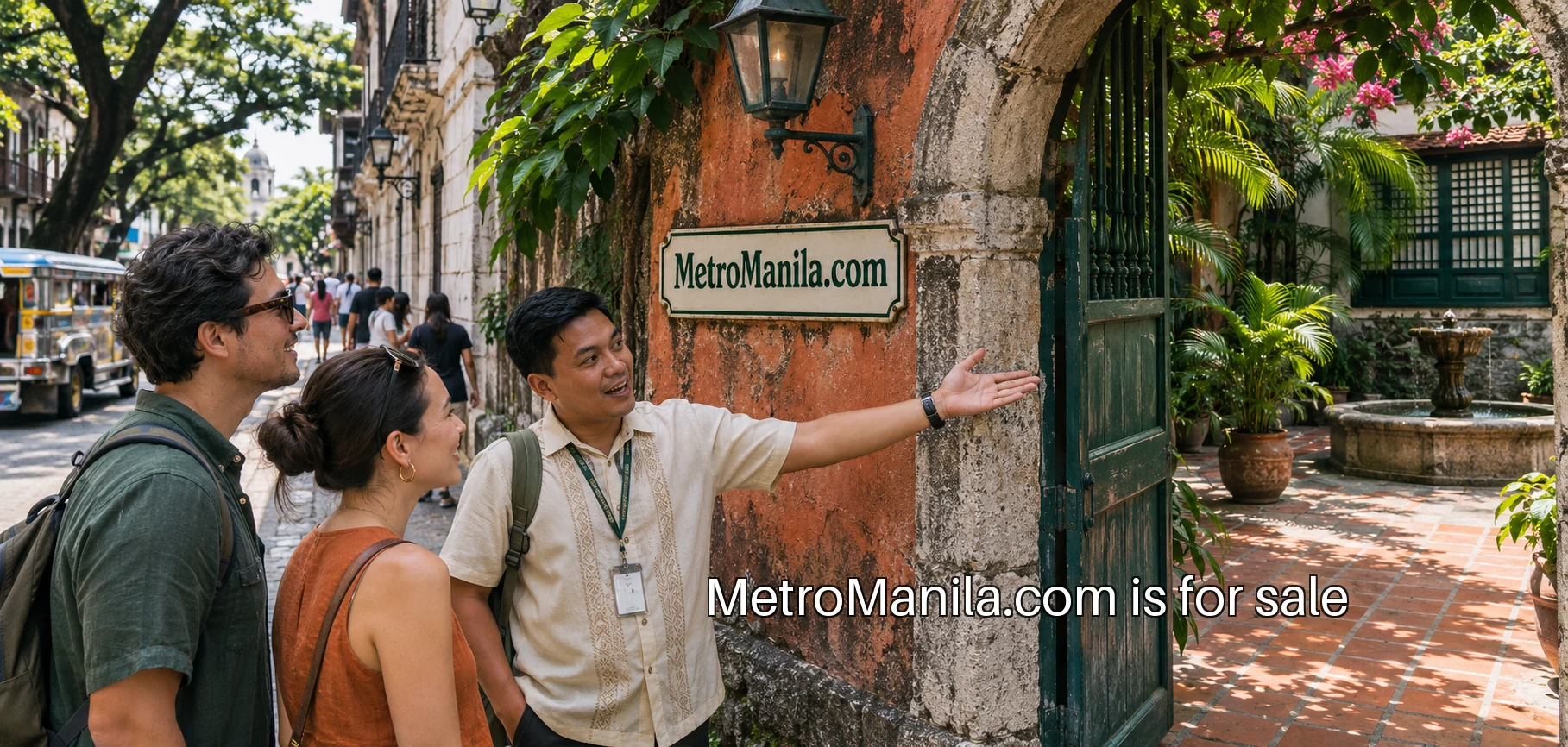
A half day is a good unit for a neighborhood guide. It has a beginning and an end. Somebody has had lunch, or needs lunch. There may be a train to catch home. An editor choosing three stops for that reader has a much more interesting job than an editor picking the twenty most photographed places in a city. One excellent stop can earn its place by leaving enough time to enjoy the next one.
On MetroManila.com an independent publisher could commission afternoons in different cities, each reported by someone who knows one neighborhood. The first offer could be a free, printable outing with one place to meet, two places to spend time and a short route between them. A resident hosting out-of-town cousins could send the page around before lunch. Nobody has to assemble the afternoon from a restaurant post, an old comment about parking and a screenshot of a museum timetable.
Pick the hour before the places
Ask the writer to start with a proposed arrival and finish. An afternoon that begins after lunch and finishes before a matinee needs a different route from one that starts at the market and ends at dinner. Give the writer enough room for one thing to take longer than expected. A bookseller who has time to talk may be the reason the outing was worth taking. A schedule that treats the conversation as a delay has picked the wrong format.
A first assignment in Intramuros might begin with the Intramuros Administration’s walking map. Pick a small piece of the map and compare candidate stops against the operator’s site hours and fees. There is a difference between an afternoon worth taking and one that merely fits on paper. Walk that piece at the time of day the card proposes. Notice where a group waiting for a slower friend can stand without blocking a doorway.
Write the bit between the stops
Suppose a reporter is planning an afternoon around a printmaker’s open studio and a small bookshop. These are sample stops. The bookshop has a bench, but it is inside the shop. The studio has a front display window and admits visitors through a side door. A neat line drawn from one shop sign to the other misses both details. Someone carrying a parcel needs to know which side to approach and whether the person they are meeting will be visible from the street.
Write the walk as a sequence of decisions. Include the turn where a wrong choice would cost time. Leave out the three turns anyone can follow along a single marked passage. If walking together requires a difficult crossing, either describe the public crossing accurately or choose a better pair of stops. Two excellent places may belong on different outings. A photograph of a pretty frontage is a poor reason to make a reader retrace four blocks.
Have the contributor time the walk from one public entrance to the other, then record how long they spend at each stop, including waiting for a ticket or finishing a snack. If the walk took twelve minutes and the visit ran to an hour, put those observations in different lines on the route card. A parent meeting the group after the first stop can then make a sensible choice about which entrance to aim for.
Give the weather edit a proper outing
A wet-weather version deserves the same reporting as the sunny version. “Find a café” transfers the work back to the reader. A useful alternative names a covered stop, says where to enter and explains whether people need to buy something to sit there. Check it at the same hour as the original outing. A café that opens as the museum closes can rescue a late visit and still be a poor place to wait for an early one.
Print the card on one side of a sheet and send it with someone who missed the reporting trip. Ask when they put it away and when they pulled it back out. If they spend more time switching between a map and your text than looking around, go back to the troublesome crossing. If the card gets them all the way there but the host says visitors need to book, change the invitation at the top. Booking changes when the afternoon begins.
Let the guide travel by hand
A bookseller or a neighborhood arts group could share a card with people who already ask for nearby recommendations. Ask permission before printing a shop’s name as a distribution point. Give each printed card a plain web address and the date of the most recent walk. When a shop changes hours, the editor can fix the online version and collect leftover sheets on the next visit. A reader arriving months later should be able to tell which version they hold.
For a pilot, pay one reporter for the field visit and a return check. Count the questions the tester had to ask, identify the stop that made the walk worthwhile and change the weakest instruction before commissioning a second neighborhood. A publisher who would like to put that first outing on MetroManila.com can ask about acquiring the domain.
Which neighborhood would lead your first Metro Manila issue?
Tell PremiumBrands about the publication you have in mind.
Send Inquiry →