
Business Concepts
A venue directory that answers the planner’s first call
Your venue directory gives a planner two places worth calling before the morning is out.
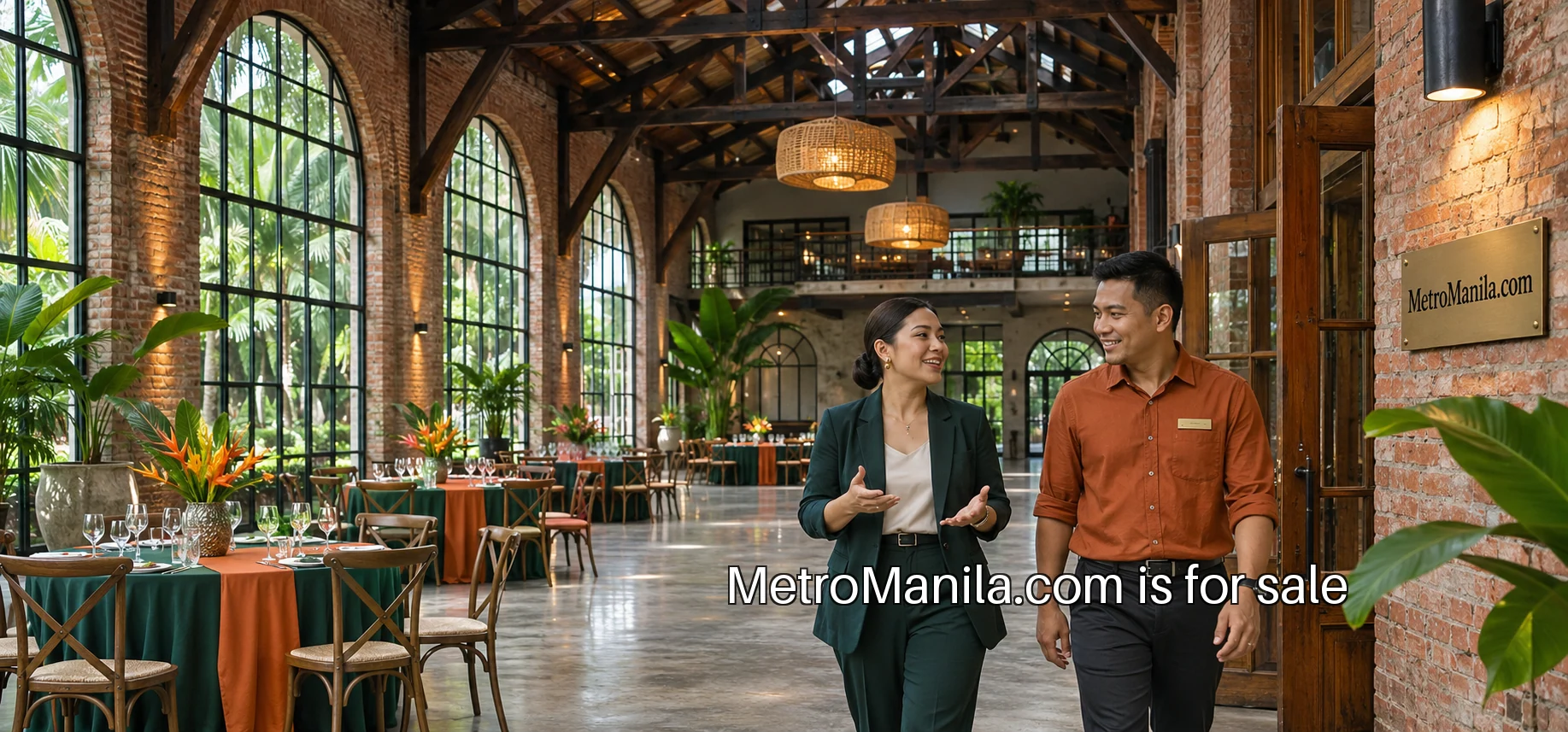
A planner looking for a room for thirty people may find twenty venues that say they seat fifty. By the time she asks about tables, a projector and an hour to unpack materials, the shortlist may be down to two. An independent venue directory could do some of that work before the phone call. The first offer on MetroManila.com could be a comparison of small meeting rooms that a planner can print for the person signing the booking.
The regional name suits a buyer weighing locations for guests arriving from different cities. A team split between Makati and Quezon City may want two candidates near different arrival points. An editor can report each room under its own city, then compare rooms by what happens inside them. A list sorted only by headline capacity gives that team little reason to pick up the phone.
Start with a meeting brief
The first page of the directory could ask three questions. What will everyone be doing, what needs to fit in the room while they do it, and when can the organizer get inside? Answering “twenty-four people writing at tables from nine to noon, with two people setting up at eight” is enough to change the search. It rules out a room that seats thirty in theater rows but only eighteen at desks.
Use one brief for the first run of site visits. Take a blank floor sketch, a short list of equipment and the same question about arrival at every stop. The Philippine International Convention Center’s Secretariat Building seating chart gives a real example of why the layout matters. Its meeting hall table gives separate figures for theater, classroom and other arrangements. The directory could preserve that distinction even for the smallest rooms it visits.
Walk the delivery route
At each venue, visit the entrance a participant would use, then ask how a supplier brings in a box of materials. These may be entirely different journeys. Where are both parties expected to identify themselves? Which lift serves the room? Does someone need to collect a pass before the lift will operate? Sketch the two trips on different lines. A photograph of the lobby may help the guests and tell the supplier nothing.
Record the time of the visit and the person who explained each arrangement. A reporter might see an empty queue at the lift midafternoon. That observation can go into the visit notes. For an eight o’clock setup, ask the operator who will open the loading entrance then. The planner needs to know who owns that decision and what advance notice the operator wants.
Read a sample comparison
Give two imaginary rooms the same brief. Room A seats thirty-six in rows, seats twenty-four at desks and provides a screen at the front. The operator can open at half past eight. Room B seats twenty-eight at desks and takes deliveries from eight, but the speaker presents from the center of a long wall. For a facilitator who needs an hour to lay out individual kits, Room B deserves the first call. For a team that arrives with notebooks and wants everyone facing the screen, Room A may be easier.
Add one complication. A participant wants to know about the route from the drop-off to the meeting room. Describe the entrance, steps, lift and door on the specific route the reporter checked. Record which measurements the venue supplied. Invite the planner to confirm individual requirements directly with the operator. A single green tick beside “accessible” is impossible to interpret from a printed comparison.
For the budget line, ask which hours the quote covers and what the venue lists separately. A projector, technician or extra hour of setup can change the proposal a planner puts before a manager. Publish a dated example only when the operator permits it, and link to the venue’s public inquiry channel for a current quote. In a directory built for shortlisting, an honest “quote required for early access” is a usable piece of information.
Give each reader the same worksheet
A useful first distribution partner might be a community of workshop facilitators. Ask a member who makes bookings to apply the sample sheet to an upcoming meeting. Watch which column they cover with their thumb and which fact they copy into the email asking for a quote. If the first thing they copy is the load-in note, it probably belongs beside the room capacity on the next version.
Give venue operators a link for factual corrections and date each revision. Keep the reporter’s notes separately from the operator’s own description. When a newly supplied plan increases the advertised capacity, ask what changed in the room before republishing the number. The directory’s reputation depends on what the editor can show a planner about a particular setup.
Start by drafting a comparison sheet for two rooms and one actual booking brief. Leave a final box headed “Questions for the venue” so the planner can carry unresolved details straight into the call. If this is a directory you would like to publish under the region’s own name, inquire about acquiring MetroManila.com.
Which neighborhood would lead your first Metro Manila issue?
Tell PremiumBrands about the publication you have in mind.
Send Inquiry →